Just For The Fun Of It — retro Commodore banner

⌂Books & Magazines

A personal collection of retro computers, games, books and memorabilia.

COMMMODORE 64 PROGRAMMERS REFERENCE GUIDE
Books & Magazines

COMMMODORE 64 PROGRAMMERS REFERENCE GUIDE

Commodore · 1982 · Commodore systems · Good

This is the book that every Commodore 64 fan should have. I myself only found this book recently on a online marketplace and could not resist to buy it. This is the book that I needed in the eighties.
I have the first edition first published in 1982

COMMODORE 64 - USER MANUAL
Books & Magazines

COMMODORE 64 - USER MANUAL

Commodore systems · Very good

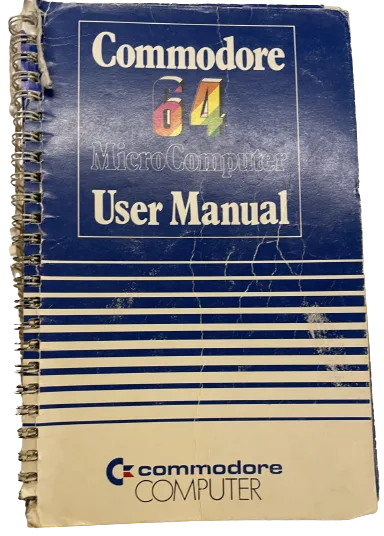
For anyone who bought a brand-new Commodore 64 back in the eighties, this book will probably look very familiar. It was included with the computer and was often the first thing you opened after taking your new C64 out of its box.

The User Manual was much more than a simple instruction booklet. It guided you through connecting the computer, understanding the keyboard, loading and saving programs, and getting started with BASIC programming.

It also introduced some of the more exciting features of the Commodore 64, including graphics, sprites, colors and sound. Step by step, it showed you how to write your own programs and discover what this little computer was capable of.

COMMODORE 64 PRAKTISCHE TIPS
Books & Magazines

COMMODORE 64 PRAKTISCHE TIPS

Commodore systems · Very good

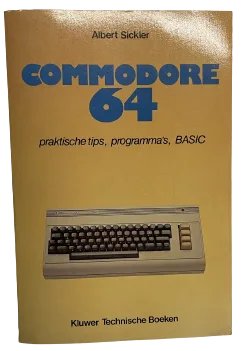
this book: Practical Tips, BASIC Programs, published by Kluwer in the 1980s. A true guide for the home programmer.
It didnt just explain the BASIC language, it also gave you ready-to-type programs for your Commodore.
From small handy routines to complete applications.
It was a perfect mix of learning and trying things out right away exactly what you needed back then to grow step by step as a programmer.

COMMODORE INFO MAGAZINE
Books & Magazines

COMMODORE INFO MAGAZINE

Luc Scala · Commodore systems · Very good

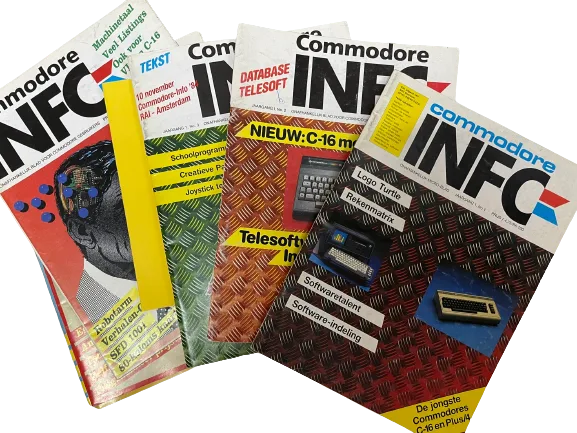
This is one of the magazines that I read. It is a Dutch magazine and I think one of the biggest of that period in the Netherlands. I learned a lot browsing through the pages.
Remember the basic code programs that you needed to type in from the long listings in the magazine. This is how I learned to type

COMPUTE!S GAZETTE MAGAZINE
Books & Magazines

COMPUTE!S GAZETTE MAGAZINE

Commodore systems

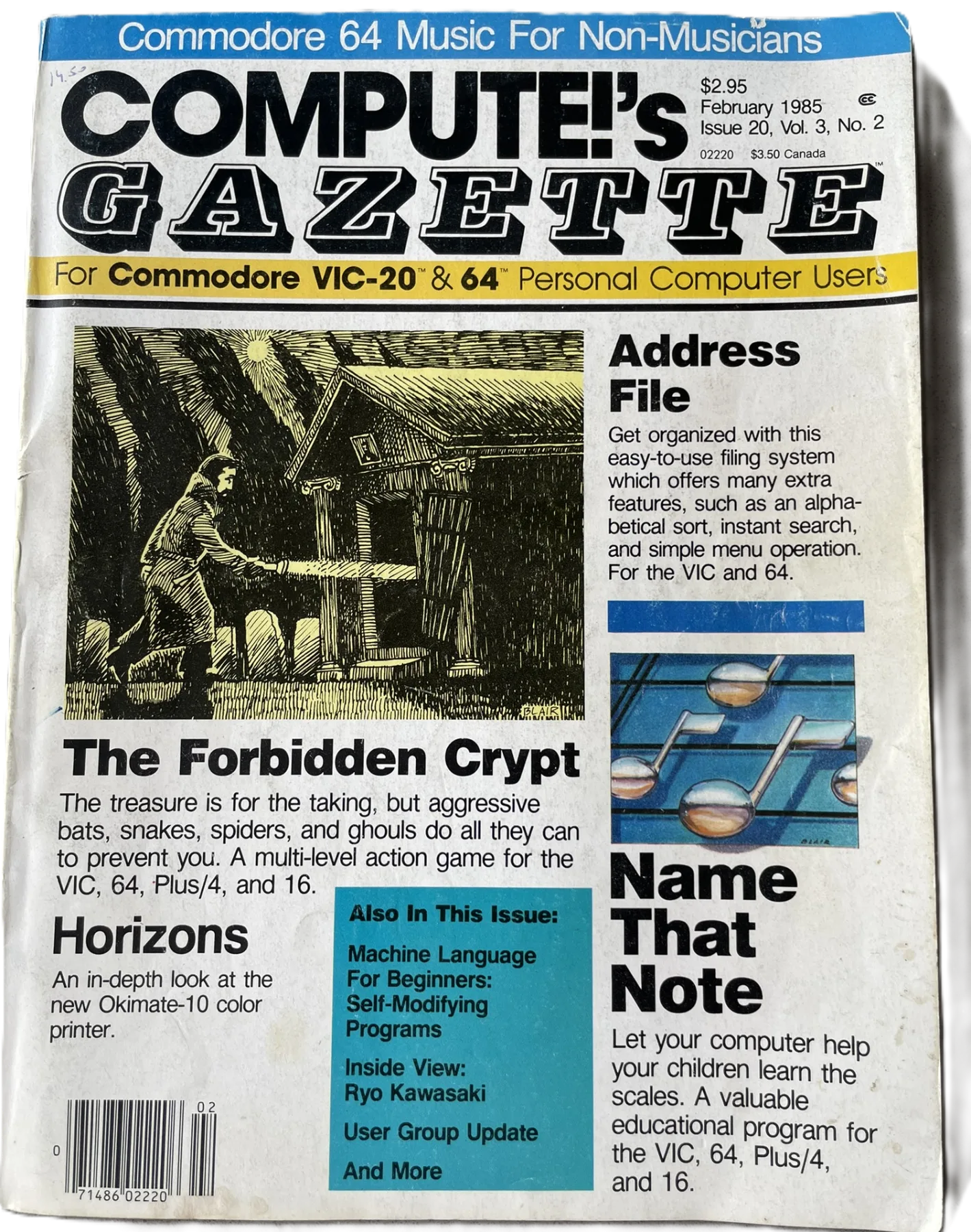
Compute!s Gazette was the go-to magazine for Commodore 64 and 128 users in the 1980s and early 1990s.

Famous for its endless supply of type-in programs,from fun games to serious utilities, along with clear tutorials and reviews.
For many, it was a monthly source of inspiration, and today it's a cherished piece of retro computing history.

DATA BECKER - 64 INTERN
Books & Magazines

DATA BECKER - 64 INTERN

Commodore systems · Very good

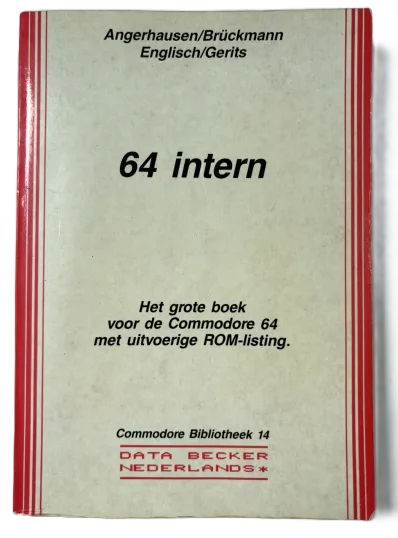
64 Intern is one of those books that takes you straight back to the days when learning to program meant sitting down with a book, typing in examples and experimenting with the code until you finally got things working.

Books like this were an important source of knowledge. There was no Google, no YouTube tutorials and certainly no ChatGPT to ask for help. You had to figure things out yourself, study the examples and sometimes spend hours finding that one little mistake in your BASIC code. 😄

DATA BECKER published many books for home computer enthusiasts, helping a whole generation discover programming and get more out of their Commodore 64.

Schrijvers: Angerhausen, Brückmann, Englisch en Gerits
ISBN: 90 229 3339 3
Serie: Data Becker Nederland
Jaar: circa 1986

DATA BECKER - DE COMMODORE 64 VOOR OP SCHOOL
Books & Magazines

DATA BECKER - DE COMMODORE 64 VOOR OP SCHOOL

Commodore systems

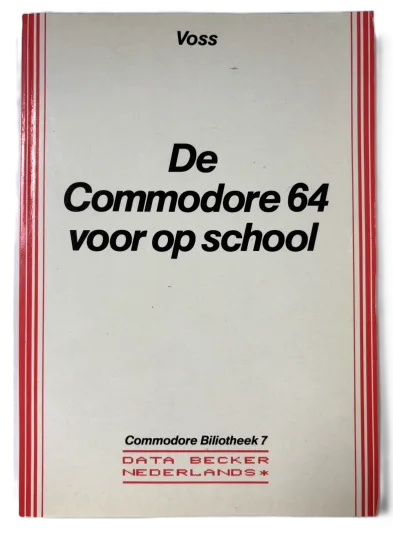
De Commodore 64 voor op school was specially written for students in the MAVO, HAVO and VWO school systems in the Netherlands. It contains practical BASIC programs designed to help solve problems and explore subjects that students would encounter in the classroom.

The topics are surprisingly varied: Pythagoras' theorem, prime numbers, exponential growth, quadratic equations, pendulum motion, chemical formulas, compound interest, and even learning vocabulary and irregular verbs.

What makes this book particularly interesting is that the programs are explained step by step. The idea was not just to use the computer to solve a problem, but also to understand how the program works and learn how to write your own programs.

DATA BECKER - HET FLOPPYBOEK VOOR DE 1570/1571 DISKDRIVES
Books & Magazines

DATA BECKER - HET FLOPPYBOEK VOOR DE 1570/1571 DISKDRIVES

Commodore systems · Very good

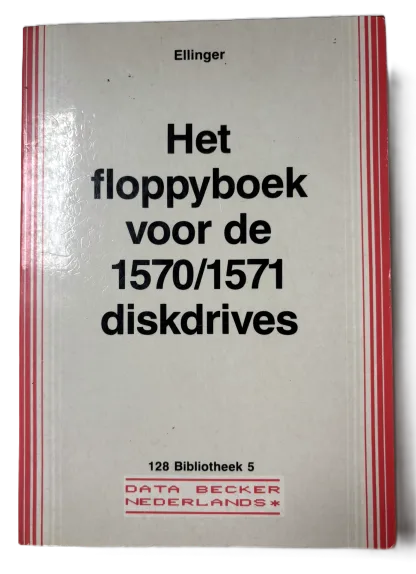
et Floppyboek voor de 1570/1571 Diskdrives takes a closer look at the Commodore 1570 and 1571 disk drives, especially their technical capabilities and the possibilities they offered to Commodore 128 users.

The book explores subjects such as DOS commands, direct disk access, programming disk operations and managing files. It also looks behind the scenes at how the Disk Operating System works.

This is the kind of book you needed when you wanted to understand what was really happening inside your disk drive, rather than just using it to load your favourite games and applications.

Schrijver: Ellinger
ISBN: 90 229 3370 9
Serie: Data Becker
Jaar: circa 1987

DATA BECKER - HET GRAFIEKBOEK VOOR DE COMMODORE 64
Books & Magazines

DATA BECKER - HET GRAFIEKBOEK VOOR DE COMMODORE 64

Commodore systems

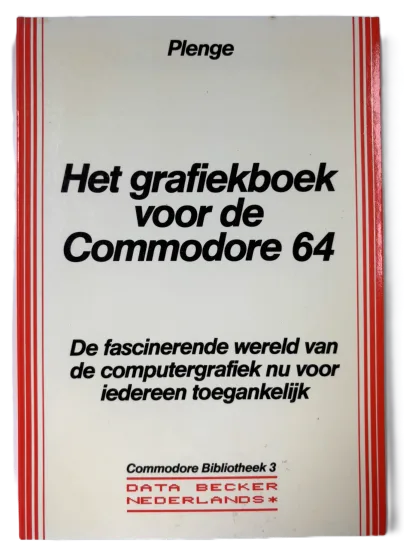
DATA BECKER – Het Grafiekboek voor de Commodore 64

One of the things that made the Commodore 64 so special was its graphics capabilities. With its dedicated VIC-II graphics chip, the C64 offered plenty of possibilities for creating colourful images, moving sprites and even animated scenes.

Het Grafiekboek voor de Commodore 64, written by Axel Plenge, takes a deep dive into these possibilities. It explores different techniques, from character graphics and sprites to more advanced subjects such as 3D projections and animation.

The book contains plenty of examples and program listings that encourage you to experiment and create your own graphical applications. It was written for people who wanted to go beyond simply playing games and discover how graphics actually worked on their Commodore 64.

DATA BECKER - HET GROTE FLOPPY-BOEK
Books & Magazines

DATA BECKER - HET GROTE FLOPPY-BOEK

Commodore systems

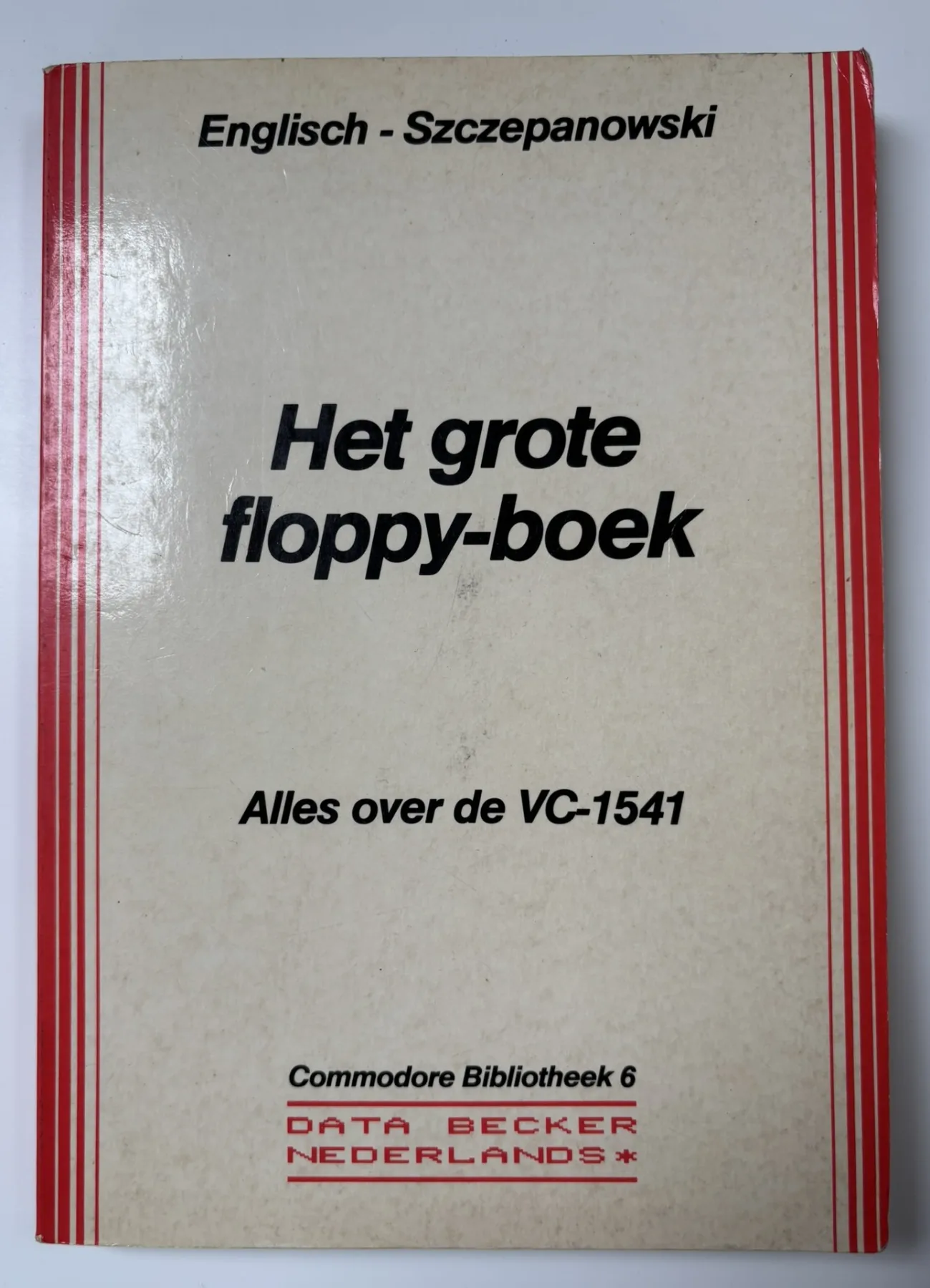
Het Grote Floppy-boek takes an extensive look at the Commodore 1541 disk drive and its many possibilities. It covers everything from the basics of working with floppy disks and using DOS commands to file handling, sequential files, error messages and more advanced disk operations.

The book also explores the technical side of the drive, including disk monitors and practical programming examples. It helps you understand what happens behind the scenes when the Commodore reads from or writes to a floppy disk.

One of the fascinating things about the 1541 is that it was practically a small computer of its own, with its own processor and operating system. Once you started exploring its capabilities, there was a whole new world to discover.

Schrijvers: Englisch & Szczepanowski
ISBN: 90 229 3324 5
Serie: Data Becker Nederland
Jaar: circa 1985

DATA BECKER - HET GROTE GEOS-BOEK
Books & Magazines

DATA BECKER - HET GROTE GEOS-BOEK

Commodore systems

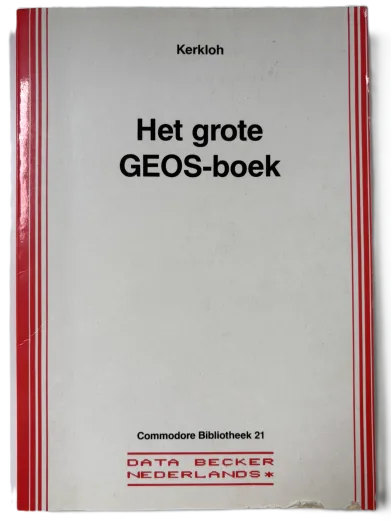
When GEOS (Graphic Environment Operating System) arrived on the Commodore 64, it introduced something that felt almost futuristic: a graphical user interface on a home computer that was normally operated entirely through BASIC commands and keyboard input.

Het Grote GEOS-boek is a comprehensive guide to this graphical environment. It explores the installation, configuration and operation of GEOS, helping users discover the possibilities of a completely different way of working with their Commodore 64.

GEOS offered a desktop-like environment with icons, windows, menus and a mouse pointer. It included applications for word processing, drawing and working with documents. With additional software and suitable peripherals, the C64 could become a surprisingly capable productivity machine.

Author Kerkloh
ISBN 90 229 3454 3
Publisher Data Becker Nederland
Year Circa 1987
Series Data Becker

DATA BECKER - HET MUZIEKBOEK VOOR DE COMMODORE 64
Books & Magazines

DATA BECKER - HET MUZIEKBOEK VOOR DE COMMODORE 64

Commodore systems

DATA BECKER – Het Muziekboek voor de Commodore 64

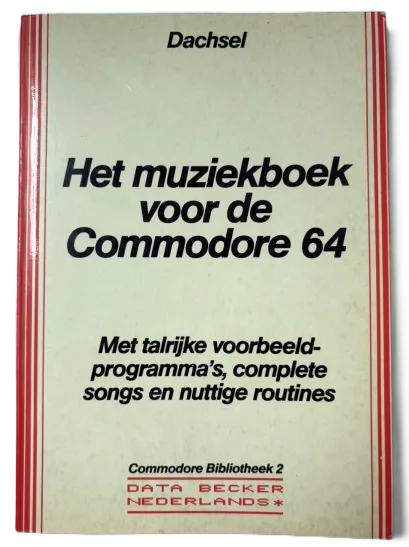
The Commodore 64 is famous for its SID sound chip, which gave the computer a distinctive sound that still makes retro gaming fans smile today. But the SID was capable of much more than producing simple game sound effects.

Het Muziekboek voor de Commodore 64 explores the possibilities of creating music with the C64. Written by Thomas Dachsel, it introduces the reader to sound synthesis, programming music and controlling the SID chip.

The book includes numerous example programs, complete songs and useful routines. It also explains how to work with the different sound parameters, allowing you to experiment with waveforms, frequencies and the characteristics of individual voices.

One of the interesting aspects is that the Commodore 64 could produce three simultaneous voices. With the right programming, you could create melodies, bass lines and sound effects using nothing more than BASIC and the SID chip.

Author Thomas Dachsel
ISBN 90 229 3233 7
Publisher Data Becker Nederland
Year Circa 1984–1985

DATA BECKER - PEEKS EN POKES VOOR DE COMMODORE 64
Books & Magazines

DATA BECKER - PEEKS EN POKES VOOR DE COMMODORE 64

Commodore systems

DATA BECKER – Peeks en Pokes voor de Commodore 64

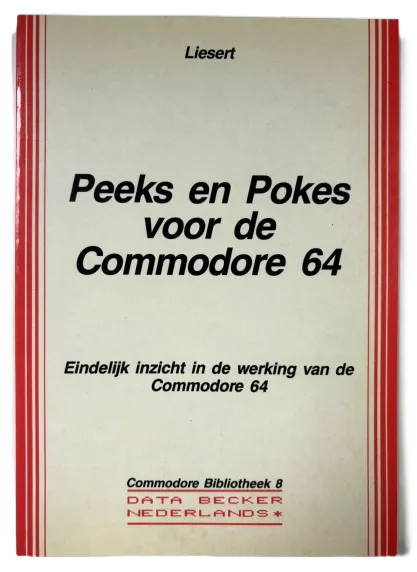
For anyone who wanted to understand what was really happening inside the Commodore 64, the PEEK and POKE commands were essential tools. They allowed you to read and change specific memory locations, giving you direct access to many of the computer's hardware features.

Peeks en Pokes voor de Commodore 64, written by Hans Joachim Liesert, takes a closer look at these commands and the internal workings of the C64.

The book explores important memory locations and explains how different parts of the computer operate. Topics include the operating system, BASIC interpreter, zero page, pointers and stacks, character generator and sprite registers.

It also provides practical examples showing how PEEK and POKE can be used to control the computer and access features that are not easily available through ordinary BASIC commands.

Author Hans Joachim Liesert
ISBN 90 229 3332 6
Publisher Data Becker Nederland
Year Circa 1985

DATA BECKER - SIMONS BASIC OP DE COMMODORE 64
Books & Magazines

DATA BECKER - SIMONS BASIC OP DE COMMODORE 64

Commodore systems

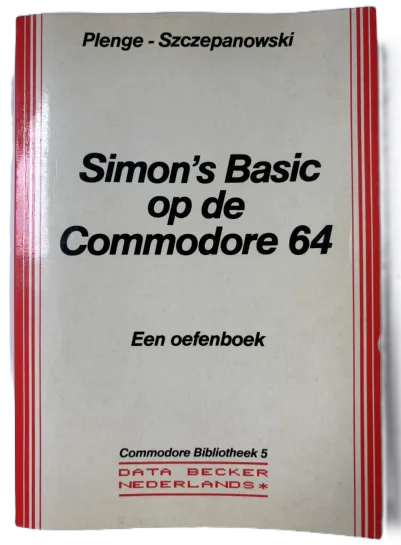
DATA BECKER – Simons BASIC op de Commodore 64

For many Commodore 64 owners, BASIC was the starting point of their programming adventure. But sooner or later, you probably discovered that the standard Commodore BASIC had quite a few limitations, especially when it came to graphics, sound and more advanced programming.

That's where Simons BASIC came in. Developed by British programmer David Simons, it was an extension of the standard BASIC language, supplied on cartridge. It added more than a hundred new commands, making it much easier to work with graphics, sprites, sound, music and program control.

Simons BASIC op de Commodore 64 is an accompanying learning book that helps users get familiar with these additional commands. Through explanations, examples and practical exercises, it shows how to use the extended language and create more sophisticated programs.

For hobby programmers, Simons BASIC opened up a whole new world of possibilities. Tasks that previously required complicated BASIC routines could now be achieved with just a few additional commands.

Authors Axel Plenge and Peter Szczepanowski
ISBN 90 229 3327 X
Publisher Data Becker Nederland
Year Circa 1985

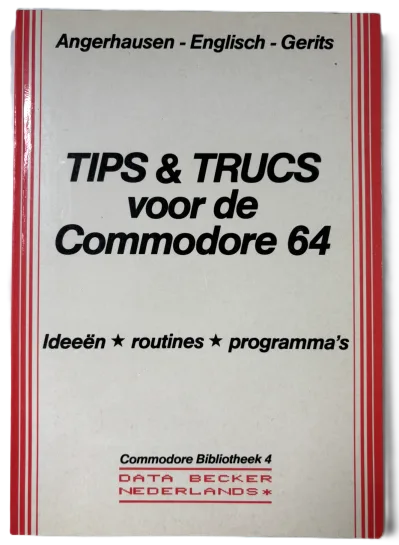
DATA BECKER - TIPS EN TRUCS VOOR DE COMMODORE 64
Books & Magazines

DATA BECKER - TIPS EN TRUCS VOOR DE COMMODORE 64

Commodore systems

Following the success of the first volume, this expanded sequel was released for Commodore enthusiasts who wanted to take their programming skills to the next level.
The book covers more advanced topics such as memory management, pointers, RAM copying techniques, and many other clever programming tricks.

For the more experienced Commodore programmer, this book is packed with valuable information and practical examples, helping you squeeze even more out of the Commodore 64. A true treasure trove for anyone eager to explore what lies beyond standard BASIC programming

Authors: Hornig, Trapp and Weltner
ISBN: 90 229 3337 7
Series: Data Becker Netherlands
Year: circa 1986

DATA BECKER - TIPS EN TRUCS VOOR DE COMMODORE 64 - DEEL 2
Books & Magazines

DATA BECKER - TIPS EN TRUCS VOOR DE COMMODORE 64 - DEEL 2

Commodore systems

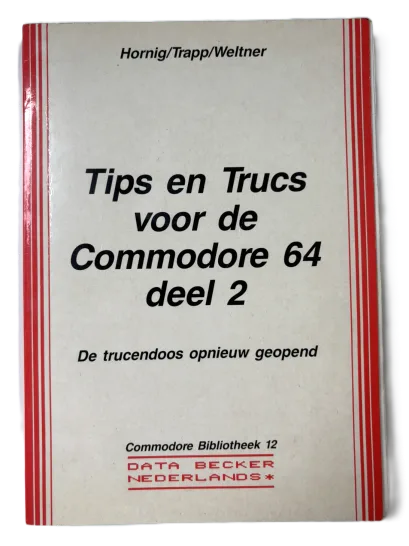
DATA BECKER – Tips en Trucs voor de Commodore 64 – Deel 2

After the success of the first Tips en Trucs voor de Commodore 64, Data Becker published this second volume, offering even more ideas and techniques for Commodore 64 enthusiasts.

This book is aimed at users who already know their way around the C64 and want to explore its capabilities further. It covers more advanced programming techniques, including memory management, pointers, RAM copying and other clever programming tricks.

These were the days when learning to program often meant experimenting with memory addresses, studying examples and discovering new ways to get around the limitations of standard Commodore BASIC.

Authors Hornig, Trapp and Weltner
ISBN 90 229 3337 7
Publisher Data Becker Nederland
Year Circa 1986

DATA BECKER - WEGWIJS IN MACHINETAAL C64/128
Books & Magazines

DATA BECKER - WEGWIJS IN MACHINETAAL C64/128

Commodore systems

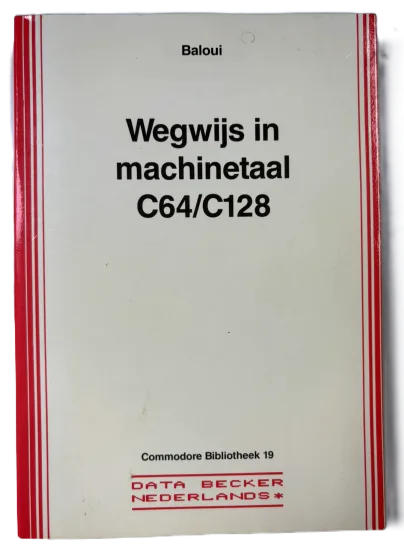
DATA BECKER – Wegwijs in Machinetaal C64/128

BASIC was where many Commodore users started their programming adventures. But sooner or later, anyone who wanted to understand the machine in more depth or create faster and more advanced programs would discover the world of machine language.

Wegwijs in Machinetaal C64/128 is a guide for those who wanted to take that next step. It introduces machine-language programming for the Commodore 64 and Commodore 128, explaining how the processors execute instructions and how programs can work directly with the computer's hardware.

The book explores the fundamentals of machine code and assembler, the relationship between BASIC and machine language, and techniques for writing more efficient programs.

Auteur: Baloui
ISBN: 90 229 3443 8
Uitgever: Data Becker
Jaar: circa 1987
Onderwerp: 6510/8502 machinetaal, assembler, systeemprogrammering en optimalisatie

DOSSIER COMMODORE
Books & Magazines

DOSSIER COMMODORE

Commodore systems

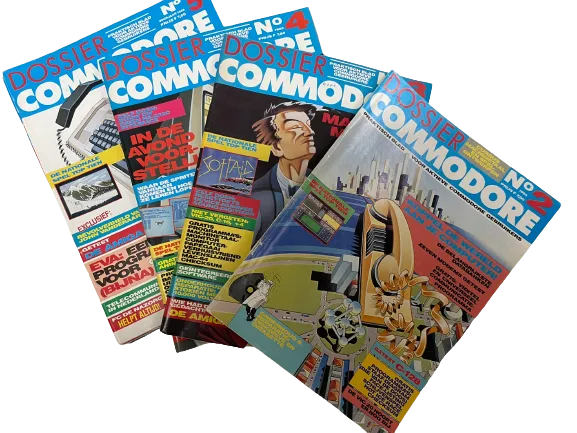
This monthly magazine is one that I, besides the Commodore Info, read many time in The eigthies.
Recently I was able to buy all the issues of both magazines.

Dossier Commodore Dutch magazine from the 1980s, dedicated to the Commodore 64, VIC-20 and later the Plus/4 and C128.

It featured articles, programming tips, software and hardware reviews, and practical courses in BASIC and machine code.

Publisher VNU Business Publications
Country Netherlands
Language Dutch
Publication period 1984–1988
Issues Numbered 0–17
Platforms VIC-20, C64, Plus/4, C128 and Amiga
Supplement Commodore Dossier Aktief
Frequency Approximately quarterly for the main magazine; additional supplements

MACHINE CODE MET DE COMMODORE 64 (DUTCH)
Books & Magazines

MACHINE CODE MET DE COMMODORE 64 (DUTCH)

Commodore systems

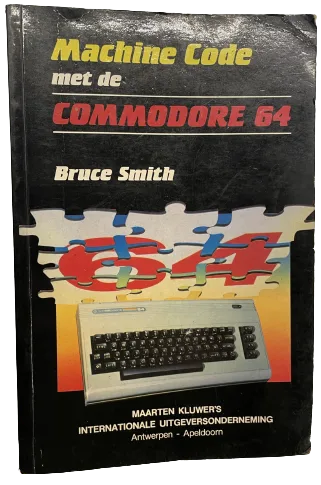
For many Commodore 64 owners, BASIC was the starting point of their programming adventure. But once you wanted to create faster programs, work directly with the hardware or even develop your own games, you soon discovered that BASIC had its limitations.

That is exactly what happened to me. After getting familiar with BASIC, I realised that if I really wanted to get the most out of the Commodore 64, I would have to move on to machine code and assembler.

I absolutely devoured this book! It explains how the Commodore 64 works internally and introduces the reader to the world of machine-code programming. Starting with the architecture of the computer, it explains the CPU, memory organisation, processor instructions, registers and addressing modes.

Written by Smith, the book combines theoretical explanations with practical examples, exercises and programming projects. It gradually takes you from simple machine-code routines to more advanced applications.

Machine Code with the Commodore 64 Bruce Smith (Kluwer, 1980s).
Dutch edition of Bruce Smith's guide to programming the Commodore 64 in machine code. '
Covers the 6510 processor, instruction set, and practical examples for writing faster and more efficient programs.

Author Bruce Smith
Publisher Maarten Kluwer's Internationale Uitgeversonderneming
Publication location Antwerpen – Apeldoorn
Language Dutch

MATHEMATICS ON THE COMMODORE 64
Books & Magazines

MATHEMATICS ON THE COMMODORE 64

Commodore systems

MATHEMATICS ON THE COMMODORE 64

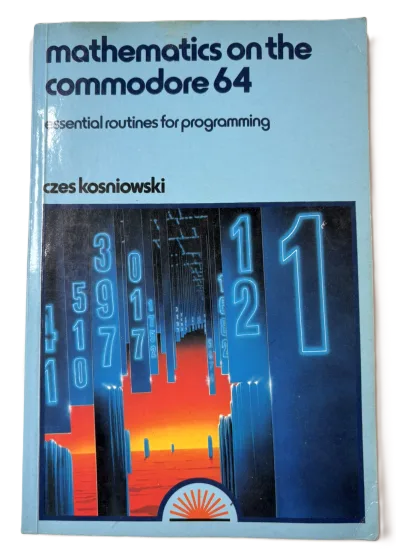
The Commodore 64 was not just a machine for playing games. It was also a surprisingly capable computer for mathematical calculations, scientific experiments and educational programming.

Mathematics on the Commodore 64: Essential Routines for Programming, written by Czes Kosniowski, is a book for programmers who wanted to explore the mathematical possibilities of their C64.

Rather than simply explaining mathematical theory, the book shows how to put mathematics into practice through Commodore BASIC programs. It covers a wide range of subjects, including trigonometry, powers, sequences, number bases, prime numbers, matrices, random numbers, codes and cryptography, and statistics.

Auteur: Czes Kosniowski
Uitgever: Sunshine Books
ISBN: 0 946408 14 9
Prijs bij verschijnen: £5.95
Jaar: circa 1984

MCN MAGAZINE
Books & Magazines

MCN MAGAZINE

MCN · 1985 · Commodore systems

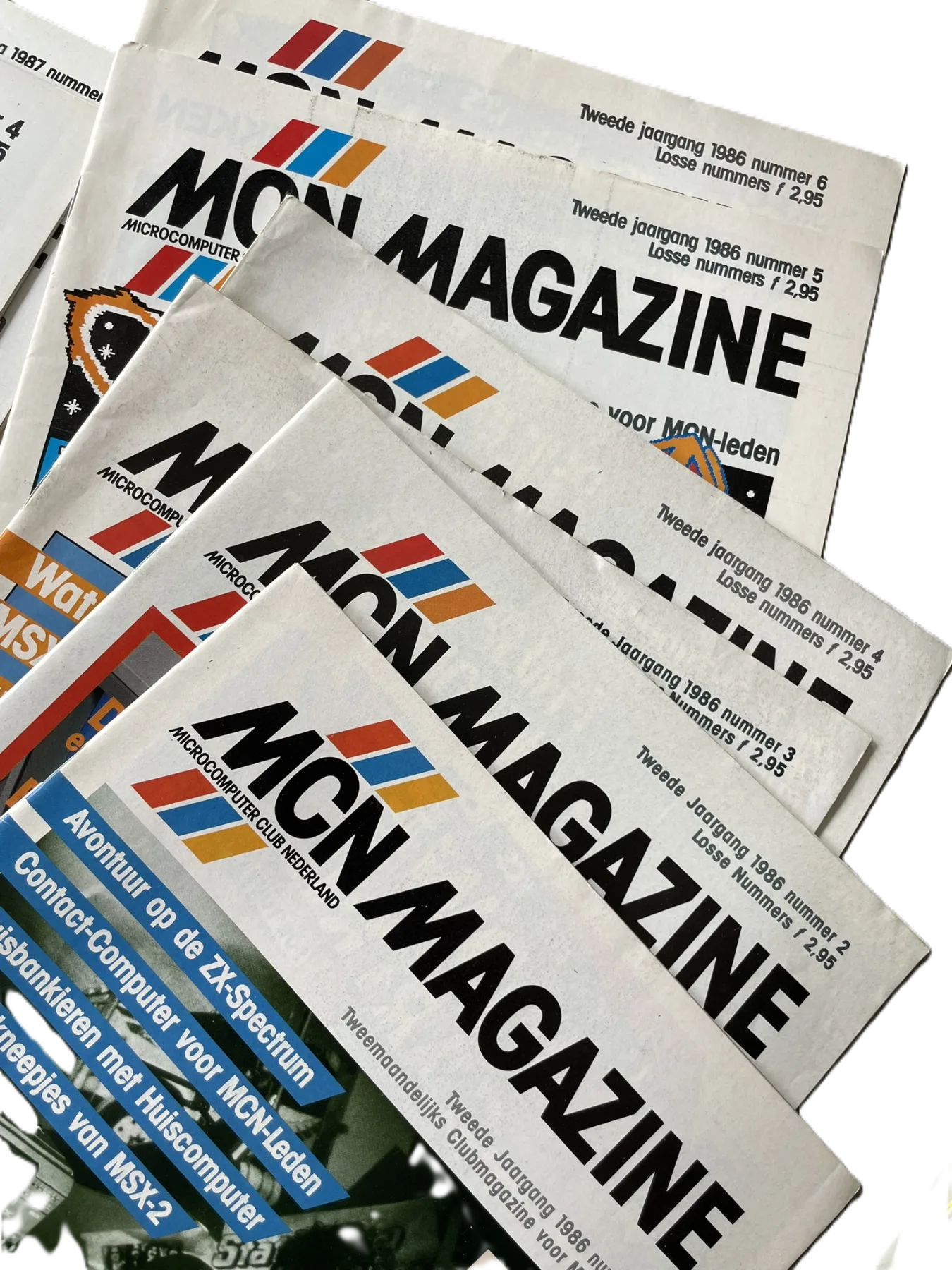
MCN Magazine was a true gem for Dutch Commodore fans. Packed with articles, tips, type-in programs, and reviews, all focused on the C64, VIC-20, and later the Plus/4 and C128.

For hobby programmers, the magazine offered step-by-step guides, useful routines, and plenty of inspiration to dive in and create your own programs.

Every issue felt like a little treasure chest full of ideas and retro fun , a must-have for anyone wanting to truly explore their Commodore!

Recently, I was able to add a few almost complete yearly volumes to my collection. It's so much fun to flip through them again… wow, we really had the time and energy back then to type in all those programs. Hard to imagine nowadays!

PROGRAMMEERCURSUS BASIC OP DE COMMODORE 64
Books & Magazines

PROGRAMMEERCURSUS BASIC OP DE COMMODORE 64

Commodore systems

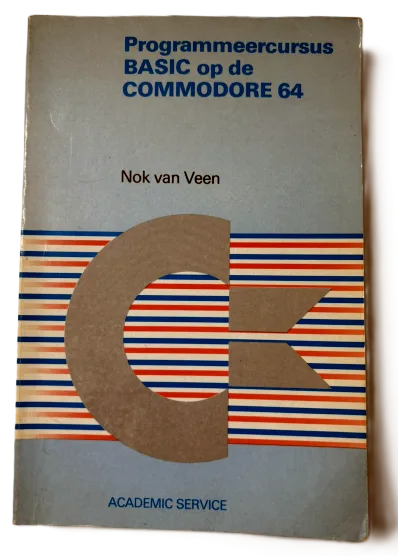
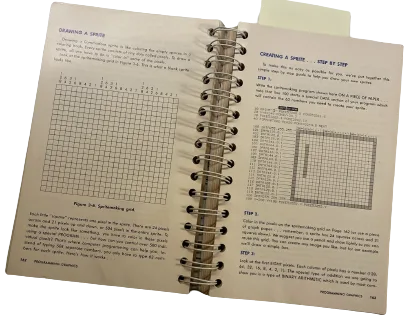
Programmeercursus BASIC op de Commodore 64, written by Nok van Veen, is a comprehensive learning book designed to teach programming step by step. Rather than simply explaining individual BASIC commands, it encourages readers to understand programming concepts and put them into practice.

The book contains explanations, examples and exercises that gradually introduce the reader to Commodore BASIC. It covers the fundamentals of programming and demonstrates how to use the C64 for practical applications, educational programs, graphics and simple games.

Author Nok van Veen
Publisher Academic Service
Language Dutch
ISBN-13 9789062331796
Year Circa 1986

PROGRAMMEREN IN MACHINETAAL
Books & Magazines

PROGRAMMEREN IN MACHINETAAL

Commodore systems

PROGRAMMEREN IN MACHINETAAL – COMMODORE 64

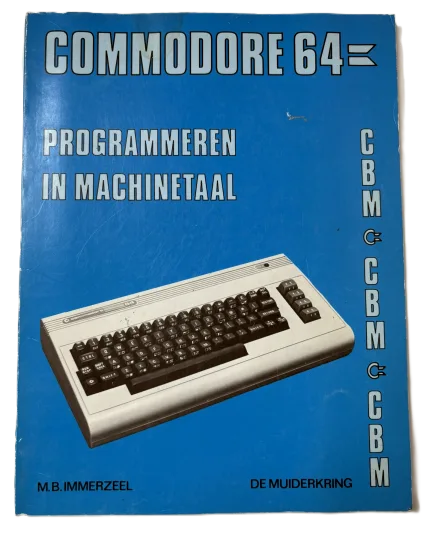
Programmeren in Machinetaal by M.B. Immerzeel is a comprehensive guide for anyone who wanted to take that next step and understand how the Commodore 64 works internally.

The book introduces the fundamentals of machine code and assembler programming, focusing on the 6510 processor used in the C64. It explains processor instructions, addressing methods and how to work with the computer's memory.

It also explores the relationship between machine language, BASIC and the operating system, including the use of system routines to access the computer's hardware.

Author M.B. Immerzeel
Publisher De Muiderkring
Year 1985
ISBN 90 6082 256 0

REM 64 - NUMBER 2
Books & Magazines

REM 64 - NUMBER 2

Me · Commodore systems

OUR VERY OWN COMMODORE 64 MAGAZINE!

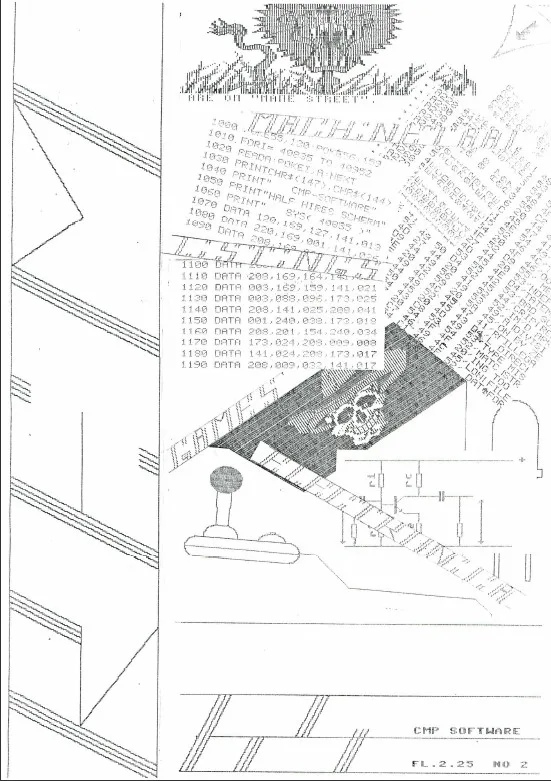
Back in the eighties, when I was spending countless hours exploring the possibilities of my Commodore 64, a school friend and I decided to start our very own computer magazine.

Yes, we actually published our own little Commodore 64 magazine!

We spent many hours writing articles, creating programs and putting everything together. It was a lot of work, but we absolutely loved doing it. Our first issue even included a little disclaimer explaining that all programs were written specifically for the Commodore 64 and that they could not be held responsible for any damage caused by using them. We also asked readers not to use our programs for commercial purposes without permission. We clearly took our publishing business very seriously!

Now, let's be honest: our readership wasn't exactly massive. We could probably count the number of members on the fingers of one hand! But that didn't matter at all. We were having a fantastic time creating something of our own and sharing our enthusiasm for the Commodore 64.

Looking back, it's one of those memories that makes the eighties so special to me. No internet, no social media, no fancy publishing software. Just two school friends, a Commodore 64, lots of enthusiasm and the crazy idea of running our own computer magazine.

And you know what? We had a blast!

REM 64 - NUMBER 3
Books & Magazines

REM 64 - NUMBER 3

Commodore systems

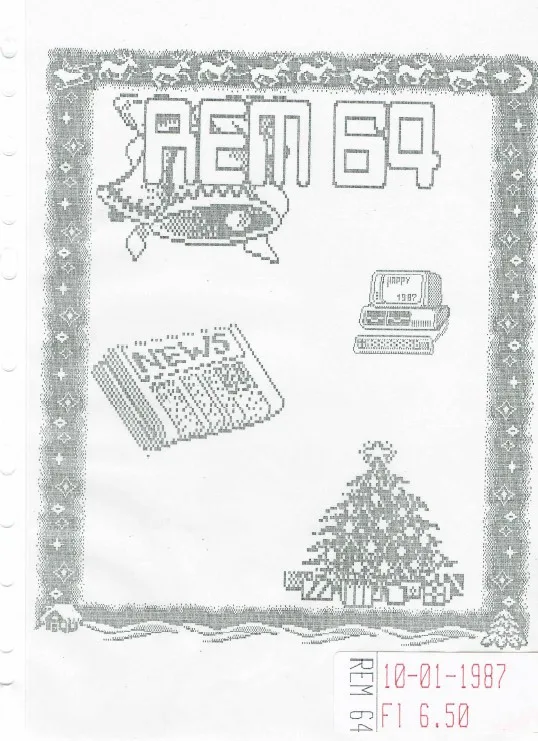
See my own created computer magazine here. Spending evenings with my Computer friend making our own magazine, especially with the software and printer on a Commodore 64.
We even made a super cool Christmas song.

REM ISSUE
Books & Magazines

REM ISSUE

Commodore systems

Here you can find an example of the magazine created at that time.

VIC-20 PROGRAMMERS REFERENCE GUIDE
Books & Magazines

VIC-20 PROGRAMMERS REFERENCE GUIDE

Commodore systems

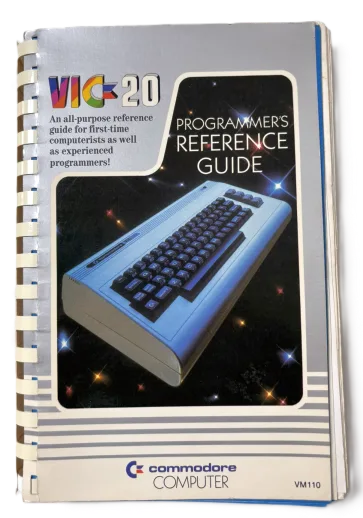
COMMODORE – VIC-20 PROGRAMMER'S REFERENCE GUIDE

The VIC-20 was one of the computers that helped bring programming into the homes of a whole new generation. With its affordable price and accessible BASIC language, it encouraged people to experiment, write their own programs and discover how computers actually worked.

But for anyone who wanted to go beyond the BASIC manual supplied with the computer, there was the VIC-20 Programmer's Reference Guide.

Published by Commodore Business Machines, this book is an essential technical reference for anyone interested in programming the VIC-20. It takes a much deeper look at the computer, explaining its BASIC language, memory organisation, hardware features and programming techniques.

The guide covers subjects such as graphics, sound, keyboard input, screen memory, machine-language routines and the use of PEEK and POKE commands. It also provides numerous program examples an

Publisher Commodore Business Machines
Publisher / Product code VM110 / S16.95 / 21948
ISBN 0-672-21948-4
Year Circa 1982
Language English